How to Watch the Northern Lights from 22 States Tomorrow Night

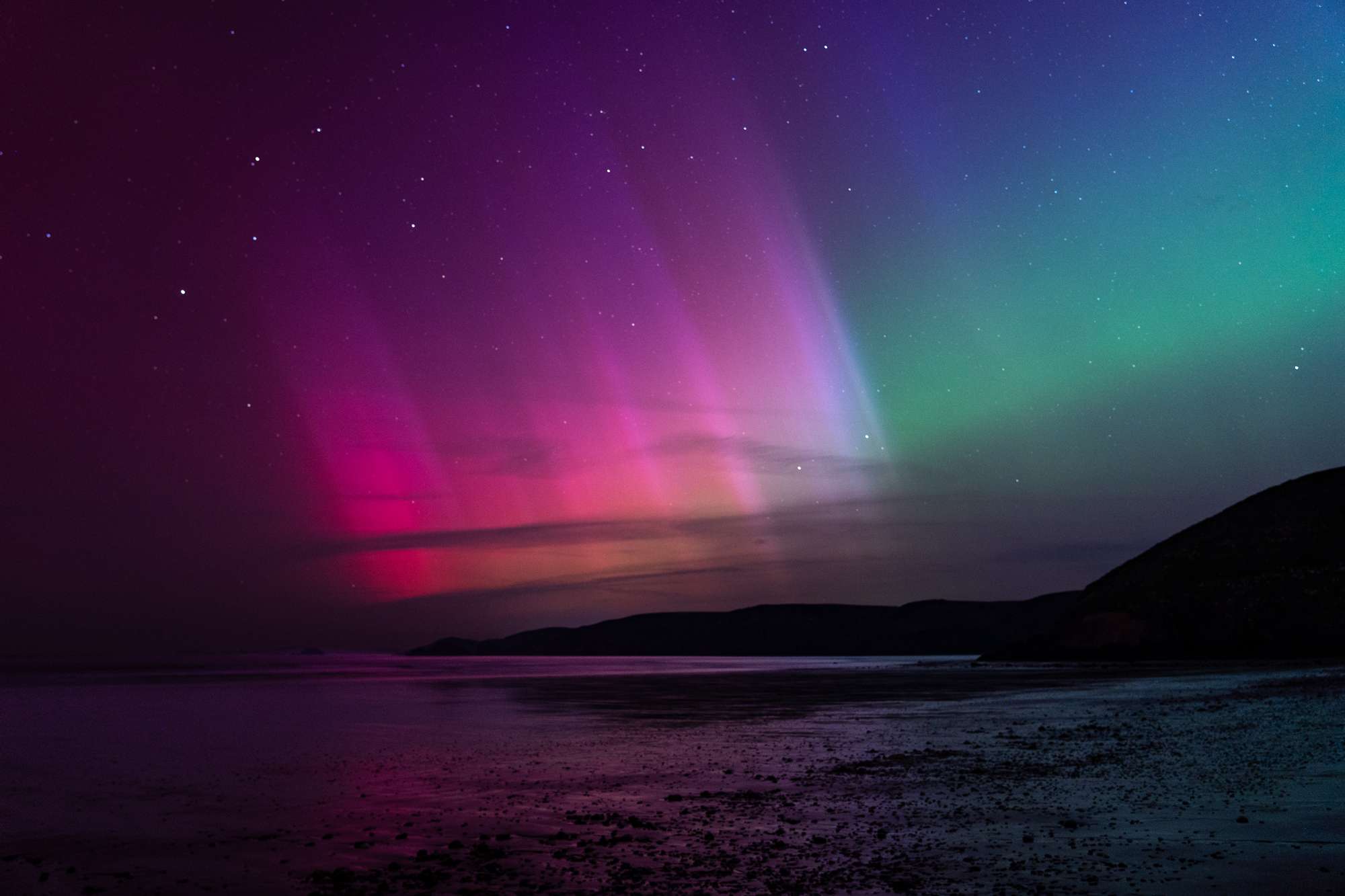
Fall is officially here, and the sky is celebrating with another round of auroras!
A fast-stream of solar wind is expected to interact with Earth’s magnetic field from Wednesday night, Sept. 23, into early Thursday, Sept. 24, potentially giving parts of the northern U.S. a shot at the northern lights.
The northern lights (aurora borealis) are a result of geomagnetic storms, which occur when charged particles from the sun collide with gases in the Earth’s atmosphere, creating brilliant waves of light in the sky. Still, their visibility depends on several factors, including intensity and location.
Forecasters at NOAA’s Space Weather Prediction Center currently point to at least minor geomagnetic-storm conditions, with an outside chance that activity could ramp up to a more camera-friendly G-2 level.
Granted, this doesn’t guarantee bursts of neon lights dancing across the sky, as the northern lights are famously fickle, but a clear, dark sky could make all the difference.
In the meantime, read on for everything you need to know about this stellar event.
When will the northern lights be visible?
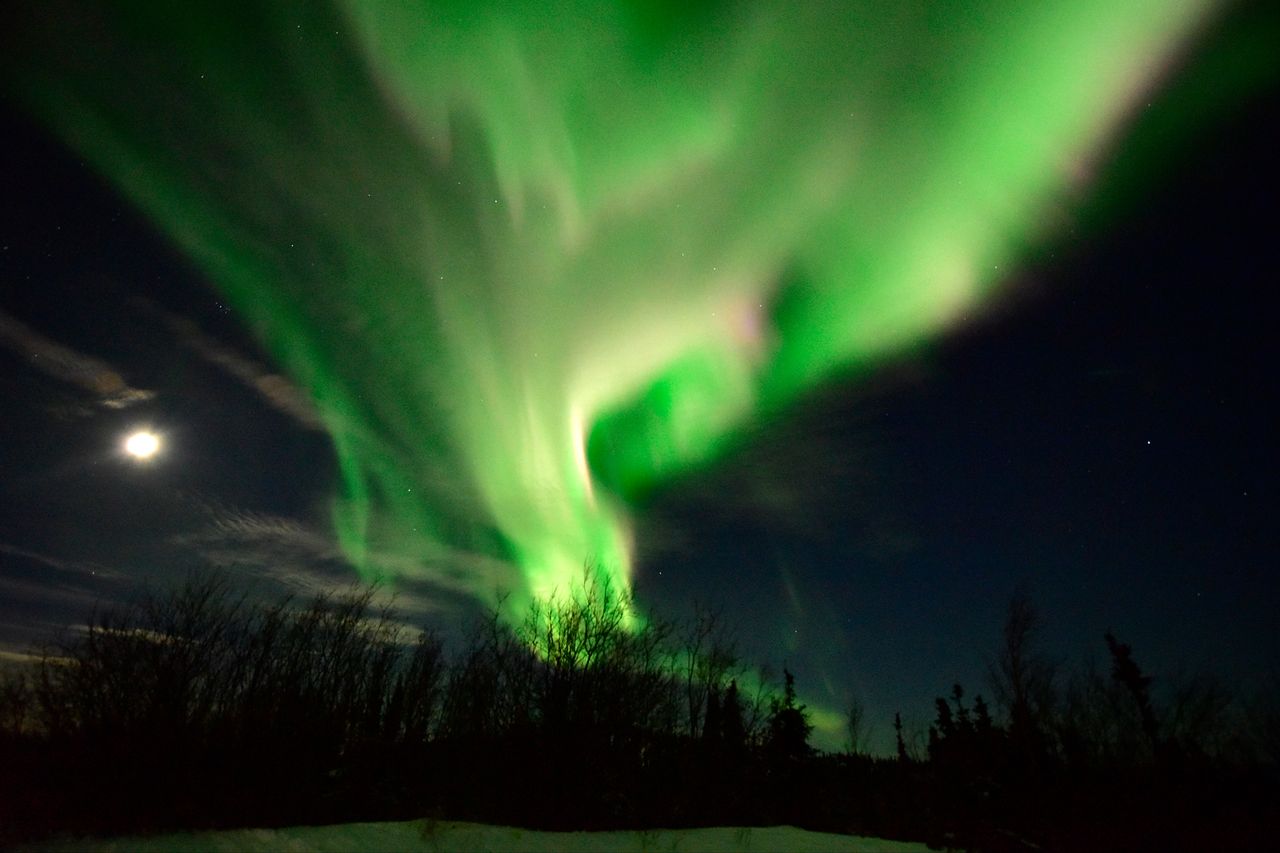
The best window is expected to begin late Wednesday, Sept. 23, and continue into the pre-dawn hours of Thursday, Sept. 24.
NOAA anticipates unsettled-to-active conditions late on Wednesday, Sept. 23, as a coronal-hole high -speed stream arrives, with stronger effects possible overnight.
Similarly, the UK Met Office sees active conditions as likely, with a chance of minor (and possibly moderate) storm levels.
Advertisement
Still, there’s one caveat: the waxing moon is heading toward its peak on Saturday, Sept. 26, so its growing glow may wash out a faint display.
As always, the darker your surroundings, the better your odds.
Where will the northern lights be visible?
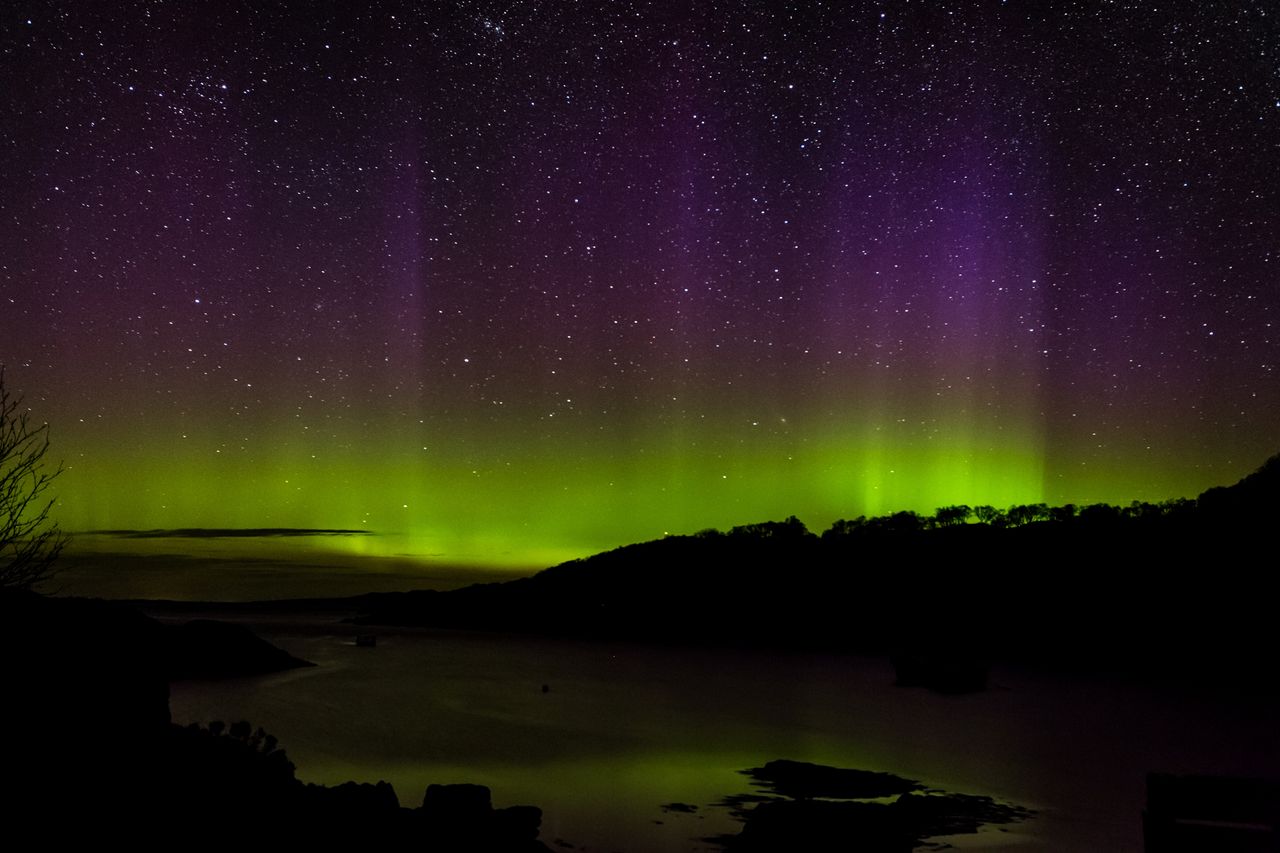
If activity reaches G1 levels, viewers near the Canadian border have the strongest chance from dark locations in Alaska and parts of Washington, Idaho, Montana, North Dakota, South Dakota, Minnesota, Wisconsin, Michigan, Maine, Vermont and New Hampshire.
However, a stronger G2 burst could push the auroral oval farther south, putting faint displays within reach in Oregon, Wyoming, Nebraska, Iowa, Illinois, Indiana, Ohio, Colorado, Pennsylvania and New York.
As always, check NOAA’s live aurora map before leaving. The forecast shifts fast!
How to watch the northern lights?
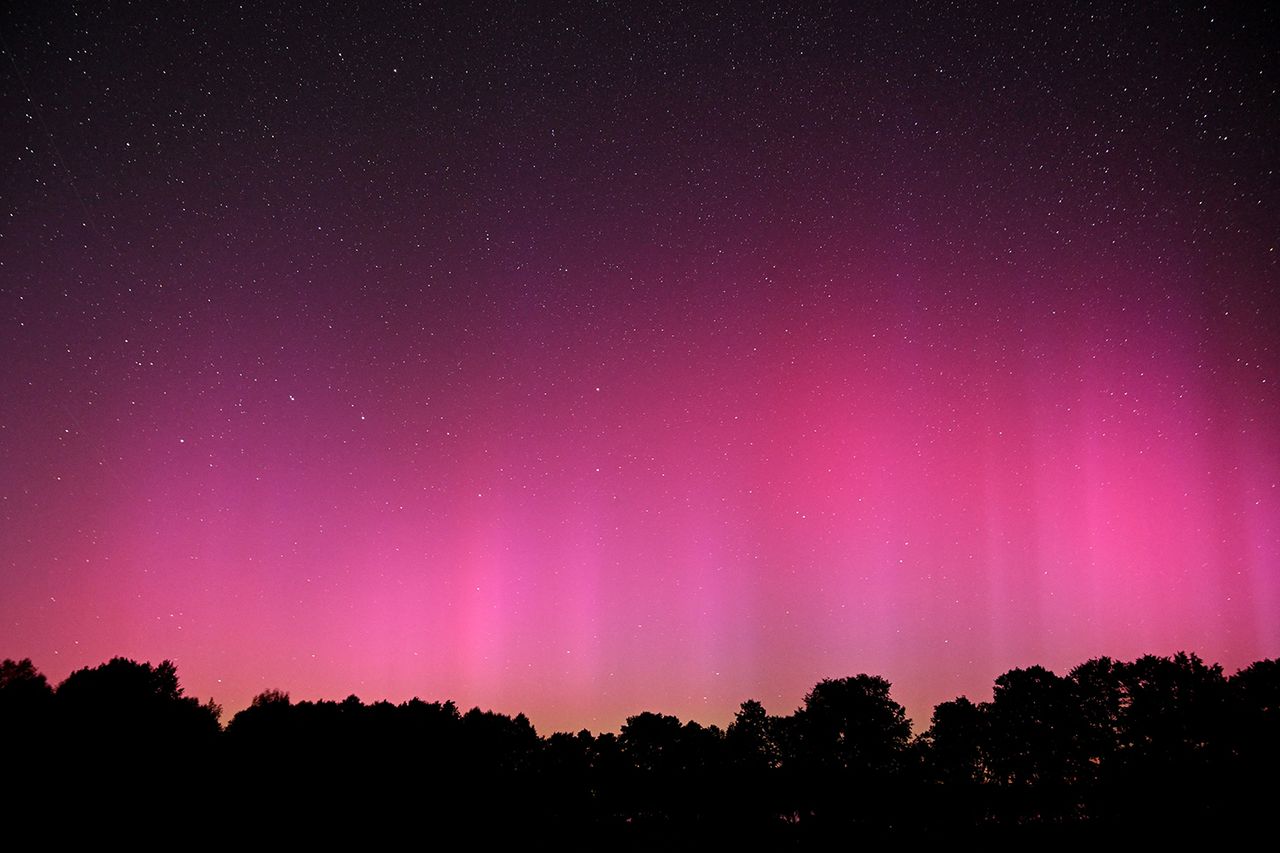
First things first: get away from city lights!Auroras are surprisingly faint to the naked eye at first, especially during weaker geomagnetic storms, so dark skies make a huge difference.
Patience matters, too! After all, auroral activity can fluctuate quickly, sometimes appearing as a faint glow before suddenly erupting into visible ribbons or waves of green light.Remember to also keep tabs on real-time conditions using NOAA’s 30-minute aurora forecast and space-weather apps that track solar wind and magnetic field changes.
How to photograph the northern lights?
Did you know that your smartphone camera might actually capture the aurora better than your eyes can during weaker storms?If you’re using a smartphone device, switch to night mode or long exposure mode and hold the camera as still as possible — ideally with a tripod or by propping it against something stable. You’ll want to keep your setup as steady as possible, since the auroras are best captured with long exposures.
All you have to do is head to your device’s settings and tap the “Night Mode” option or “Pro Mode,” which offers similar exposure times.
Read the original article on People