The fall equinox can turn your commute into a serious sun-glare hazard

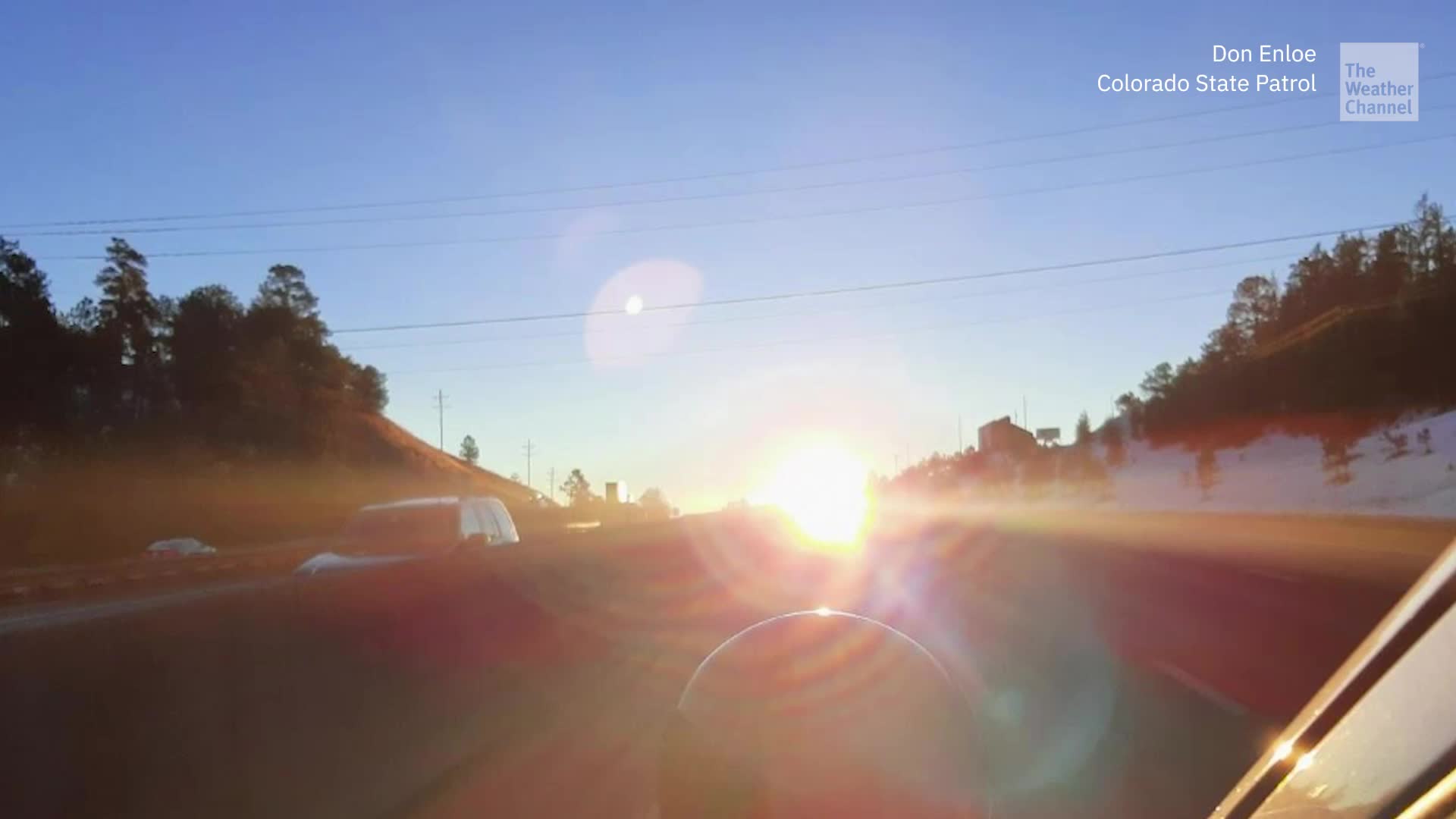
On Sept. 22 at 8:05 p.m. EDT, the sun crosses the equator, marking the fall equinox.
For several days, it will rise almost due east and set almost due west, lining up with east-west roads and highways right around rush hour.
The National Highway Traffic Safety Administration ties roughly 9,000 crashes each year to sun glare, making it second only to slick roads among environmental causes.
Why sun glare is so dangerous
“The most dangerous times of day in terms of sun glare are early morning and late afternoon into the evening, so really commute times,” according to meteorologist Caitlin Kaiser.
And because the sun gets so low, your car’s sun visor may not be enough to block it. The sun drops below 10 degrees above the horizon about an hour before sunset, below the area most vehicle visors can reach.
“Sun glare is more dangerous in the fall and winter,” she said. “You see it more prevalently because that is when the sun is at a lower angle in the sky in terms of seasons.”
(MORE: Darker bus stop safety for fall and winter)
Advertisement
Because it’s so common, sun glare is often dismissed as a minor inconvenience, but Kaiser feels that mindset can be tricky.
“In those few seconds, if you can't see and somebody starts to cross the street or a car merges in front of you, that can end up being a really dangerous situation,” she said.
How to drive through the glare
Reducing your risk doesn’t require anything complicated.
“Grab a pair of good polarized sunglasses, make sure your windshield is clean on the inside and the outside, make sure you have that wiper fluid stocked up,” Kaiser said.
(MORE: Tackle this checklist to prepare your car for winter)
A clean windshield is especially important because smudges and streaks can scatter sunlight and make the glare even worse.
“You also may want to consider altering your commute times as well as driving slow, leaving space in case you do get blinded by that sun glare,” Kaiser said, adding that extra space gives you “time to react to anything in your surroundings.”
So as the fall equinox arrives, pay a little extra attention to where the sun is in the sky, especially if your morning or evening commute takes you along an east-west road.