This Virus Is Spreading—But 80% of People Have No Symptoms

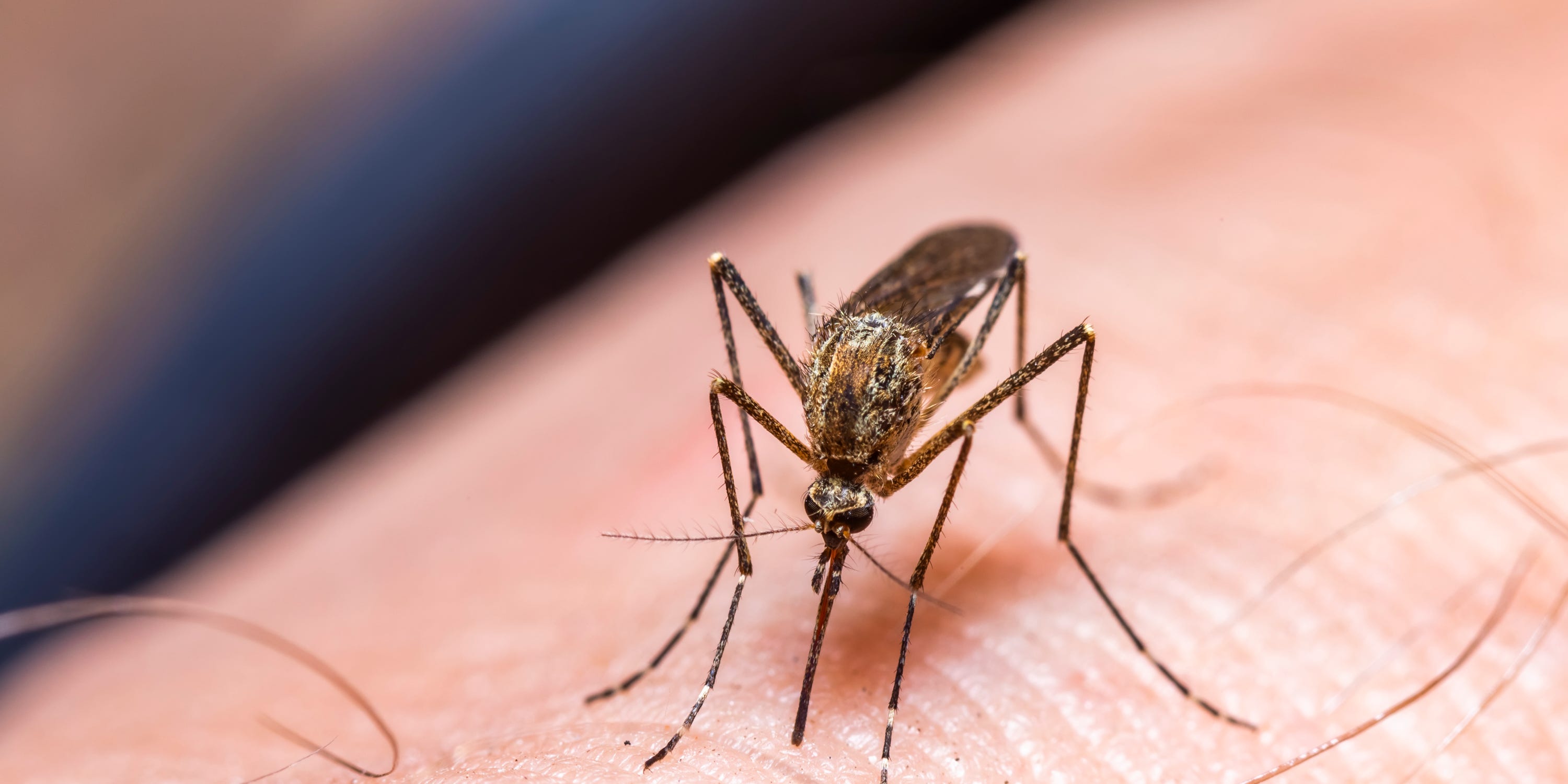
Yes, it’s true: West Nile virus is on the rise in the U.S. Cases started increasing earlier this year with the vast majority reported in August and September, Centers for Disease Control (CDC) data shows. In fact, it’s the highest number of human disease cases reported by this time of year since 2004, according to the CDC.
At first glance, this might sound alarming, but the good news is there are ways you can protect yourself. To get the full scoop, we spoke with two infectious disease specialists about what they wish more people understood about the virus. Spoiler alert: Using insect repellent is a good idea.
Why are West Nile virus cases rising?
While West Nile virus is not contagious and cannot be transmitted from person to person, it comes from mosquitoes and there are certain environmental triggers at play right now that are contributing to the spread. Warmer temperatures, longer mosquito seasons, and standing water from heavy rains or flooding accelerate mosquito breeding and viral replication, says Nikhil Bhayani, M.D., an infectious disease specialist and assistant professor at Burnett School of Medicine at Texas Christian University, cases of West Nile.
On top of that, cases are rising in communities with poor drainage infrastructure, standing water in neglected lots, and underfunded mosquito abatement programs, adds Tyler Evans, M.D., an infectious disease physician, CEO of Wellness Equity Alliance and author of Pandemics, Poverty, and Politics.
Plus, anyone who lives in or travels to areas where West Nile virus circulates is at risk of infection, including all states in the U.S., notes the CDC.
What are the symptoms of West Nile virus?
Only about 20% of people with West Nile virus develop mild symptoms like fever, headache, body aches, joint pain, nausea, vomiting, diarrhea, a skin rash, and swollen lymph glands.
This means 80% of people infected with the virus do not have symptoms, according to the CDC—and that’s okay! The only danger in being asymptomatic is that you may not realize the virus is so close to home and other people you’re with who are more susceptible to developing severe symptoms could get bitten by a virus-carrying mosquito.
Advertisement
"A healthy human immune system successfully fights off the virus before it multiplies enough to cause illness or enters the central nervous system," says Dr. Bhayani. "Severe symptoms are rare (less than 1% of people) which include high fever, stiff neck, confusion or disorientation, tremors or seizures, sudden muscle weakness or paralysis and vision loss or numbness."
Certain populations have an increased likelihood of developing more severe illness, the CDC says. Those groups include:
People age 65 and older
Individuals with certain chronic medical conditions like cancer, diabetes, high blood pressure, or kidney disease
People with a weakened immune system
West Nile virus gets a bad rap because yes, it can be fatal—about 10% of the 1% of people who develop severe illness affecting the central nervous system die, according to the CDC. However, it’s important to remember that equals out to about one person out of every one thousand people who are infected—a very small percentage.
What is the treatment for West Nile virus?
Unfortunately, there's no antiviral or vaccine for West Nile virus. "Treatment is purely supportive care, from rest and fluids at home to hospitalization for severe neurological cases," says Dr. Evans.
If you think you have West Nile virus and are presenting with severe symptoms like high fever, confusion, neck stiffness, or muscle weakness, then Dr. Bhayani says to seek medical attention immediately. The virus is diagnosed based on symptoms, mosquito exposure, and laboratory testing.
What’s the best way to prevent West Nile virus?
When it comes to avoiding West Nile virus, there are a few things you can do: Use insect repellent, wear long sleeves at dusk and dawn, and eliminate standing water, according to Dr. Evans. If you're able to, the CDC recommends putting screens on windows, doors, and air conditioning units to keep mosquitoes away. At a community level, you can look into having mosquito control professionals come to your area to kill mosquitoes and help prevent the spread.
The bottom line
West Nile virus may be on the rise; however, there are measures you can take to protect yourself from contracting the illness. If you find yourself symptomatic or think you've contracted the virus, seek medical attention immediately. Most cases require at-home treatments such as rest and over-the-counter pain relief options, but in some instances, more intense medical intervention may be necessary.
You Might Also Like