How the Japanese Practice of “Forest Bathing”—Or Just Hanging Out in the Woods—Can Lower Stress Levels and Fight Disease

When the U.S. media began report­ing on the phe­nom­e­non of “for­est bathing” as a ther­a­py for men­tal and phys­i­cal health, the online commentariat—as it will—mocked the con­cept relent­less­ly as yet anoth­er pre­ten­tious, bour­geois repack­ag­ing of some­thing thor­ough­ly mun­dane. Didn’t we just used to call it “going out­side”?

Well, yes, if all “for­est bathing” means is “going out­side,” then it does sound like a grandiose and unnec­es­sary phrase. The term, how­ev­er, is not an Amer­i­can mar­ket­ing inven­tion but a trans­la­tion of the Japan­ese shin­rin-yoku. “Coined by the Japan­ese Min­istry of Agri­cul­ture, Forestry and Fish­eries in 1982,” writes Meeri Kim at The Wash­ing­ton Post, “the word lit­er­al­ly trans­lates to ‘tak­ing in the for­est atmos­phere’ or ‘for­est bathing’ and refers to the process of soak­ing up the sights, smells and sounds of a nat­ur­al set­ting to pro­mote phys­i­o­log­i­cal and psy­cho­log­i­cal health.”

So what? We already have the exam­ples of thou­sands of years of Bud­dhist monks (and Thich Nhat Hanh), of Hen­ry David Thore­au, and the saints of the Sier­ra Club. But the old­est and most use­ful ideas and prac­tices can get care­less­ly dis­card­ed in the fran­tic pur­suit of inno­va­tion at all costs. The push­ing of hi-tech out­door gear, wear­able activ­i­ty track­ers, and health apps that ask us to log every move­ment can make going out­side feel like a daunt­ing, expen­sive chore or a com­pet­i­tive event.

For­est bathing involves none of those things. “Just be with the trees,” as Ephrat Livni describes the prac­tice, “no hik­ing, no count­ing steps on a Fit­bit. You can sit or mean­der, but the point is to relax rather than accom­plish any­thing.” You don’t have to hug the trees if you don’t want to, but at least sit under one for a spell. Even if you don’t attain enlight­en­ment, you very well may reduce stress and boost immune func­tion, accord­ing to sev­er­al Japan­ese stud­ies con­duct­ed between 2004 and 2012.

The Japan­ese gov­ern­ment spent around four mil­lion dol­lars on stud­ies con­duct­ed with hun­dreds of peo­ple “bathing” on 48 des­ig­nat­ed ther­a­py trails. In his work, Qing Li, asso­ciate pro­fes­sor at Nip­pon Med­ical School in Tokyo, found “sig­nif­i­cant increas­es in NK [nat­ur­al killer] cell activ­i­ty in the week after a for­est vis­it… pos­i­tive effects last­ed a month fol­low­ing each week­end in the woods.” Nat­ur­al killer cells fight virus­es and can­cers, and are appar­ent­ly stim­u­lat­ed by the oils that trees them­selves secrete to ward off germs and pests. See the pro­fes­sor explain in the video above (he trans­lates shin­rin-yoku as tak­ing a “for­est show­er,” and also claims to have bot­tled some of the effects).

Addi­tion­al­ly, exper­i­ments con­duct­ed by Japan’s Chi­ba Uni­ver­si­ty found that for­est bathing low­ered heart rate and blood pres­sure and brought down lev­els of cor­ti­sol, the stress hor­mone that can wreak hav­oc on every sys­tem when large amounts cir­cu­late through the body. Then there are the less tan­gi­ble psy­cho­log­i­cal ben­e­fits of tak­ing in the trees. Sub­jects in one study “showed sig­nif­i­cant­ly reduced hos­til­i­ty and depres­sion scores” after a walk in the woods. These find­ings under­score that spend­ing time in the for­est is a med­ical inter­ven­tion as well as an aes­thet­ic and spir­i­tu­al one, some­thing sci­en­tists have long observed but haven’t been able to quan­ti­fy.

In their review of a book called Your Brain on Nature, Moth­er Earth News quotes Franklin Hough, first chief of the U.S. Divi­sion of Forestry, who remarked in a 19th cen­tu­ry med­ical jour­nal that forests have “a cheer­ful and tran­quil­iz­ing influ­ence which they exert upon the mind, more espe­cial­ly when worn down by men­tal labor.” Hough’s hypoth­e­sis has been con­firmed, and despite what might sound to Eng­lish speak­ers like a slight­ly ridicu­lous name, for­est bathing is seri­ous ther­a­py, espe­cial­ly for the ever-increas­ing num­ber of urban­ites and those who spend their days in strip malls, office com­plex­es, and oth­er over­built envi­ron­ments.

What is a guid­ed for­est bathing expe­ri­ence like? You can lis­ten to NPR’s Ali­son Aubrey describe one above. She quotes Amos Clif­ford, founder of the Asso­ci­a­tion of Nature & For­est Ther­a­py, the cer­ti­fy­ing orga­ni­za­tion, as say­ing that a guide “helps you be here, not there,” sort of like a med­i­ta­tion instruc­tor. Clif­ford has been push­ing health care providers to “incor­po­rate for­est ther­a­py as a stress-reduc­tion strat­e­gy” in the U.S., and there’s no ques­tion that more stress reduc­tion tools are sore­ly need­ed.

But, you may won­der, do you have to call it “for­est bathing,” or pay for a cer­ti­fied guide, join a group, and buy some fan­cy out­er­wear to get the ben­e­fits of hang­ing out with trees? I say, con­sid­er the words of John Muir, the inde­fati­ga­ble 19th cen­tu­ry nat­u­ral­ist, “father of the Nation­al Park Sys­tem,” and found­ing saint of the Sier­ra Club: In the eter­nal youth of Nature you may renew your own. Go qui­et­ly, alone; no harm will befall you. The quote may under­es­ti­mate the amount of risk or over­state the ben­e­fits, but you get the idea. Muir was not one to get tan­gled up in seman­tics or over­ly detailed analy­sis. Nonethe­less, his work inspired Amer­i­cans to step in and pre­serve so much of the coun­try’s for­est in the 19th and 20th cen­turies. Maybe the pre­ven­ta­tive med­i­cine of “for­est bathing” can help do the same in the 21st.

Note: An ear­li­er ver­sion of this post appeared on our site in 2017.

Relat­ed Con­tent:

How Walk­ing Fos­ters Cre­ativ­i­ty: Stan­ford Researchers Con­firm What Philoso­phers and Writ­ers Have Always Known

How Mind­ful­ness Makes Us Hap­pi­er & Bet­ter Able to Meet Life’s Chal­lenges: Two Ani­mat­ed Primers Explain

This Is Your Brain on Exer­cise: Why Phys­i­cal Exer­cise (Not Men­tal Games) Might Be the Best Way to Keep Your Mind Sharp

Josh Jones is a writer and musi­cian based in Durham, NC.

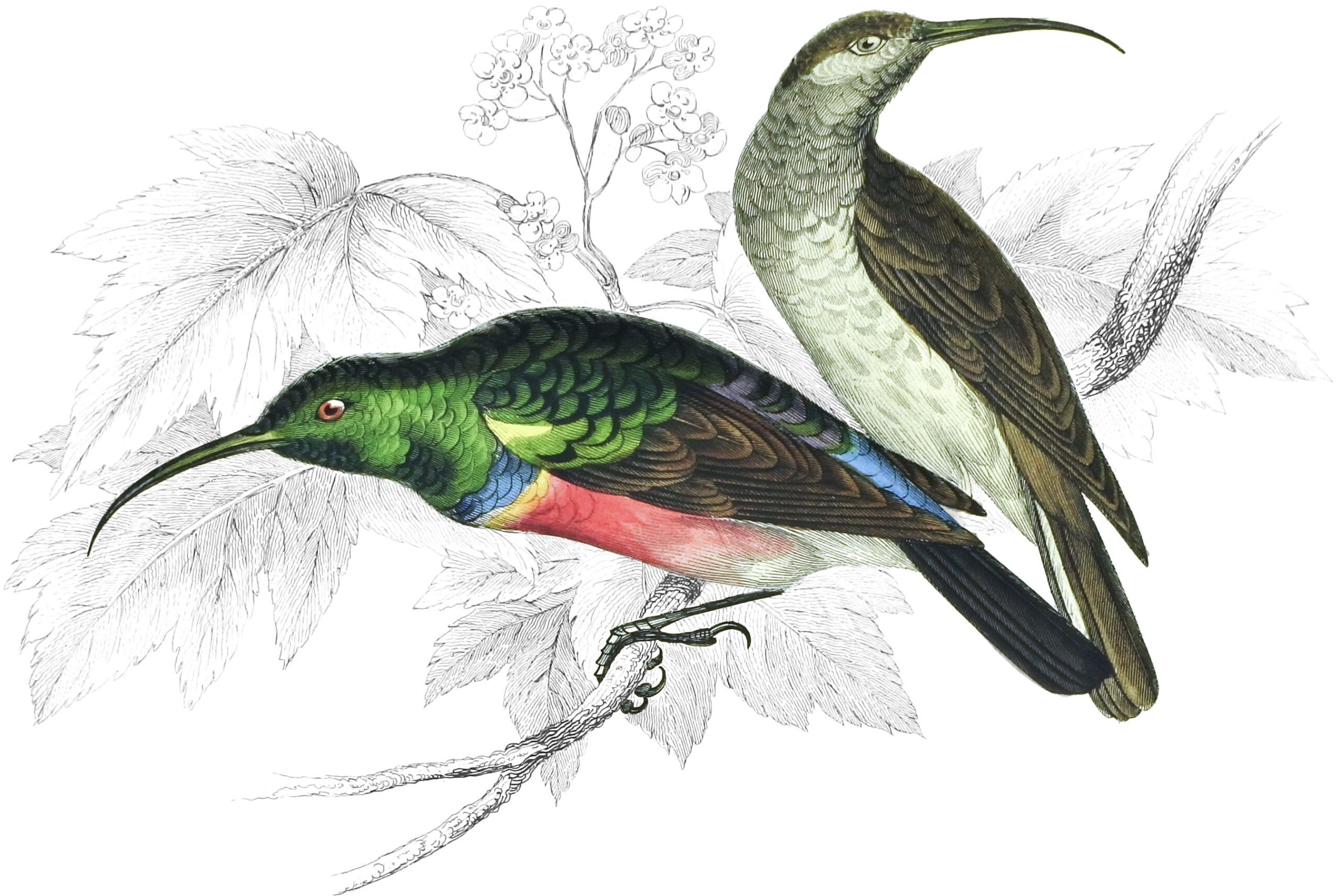
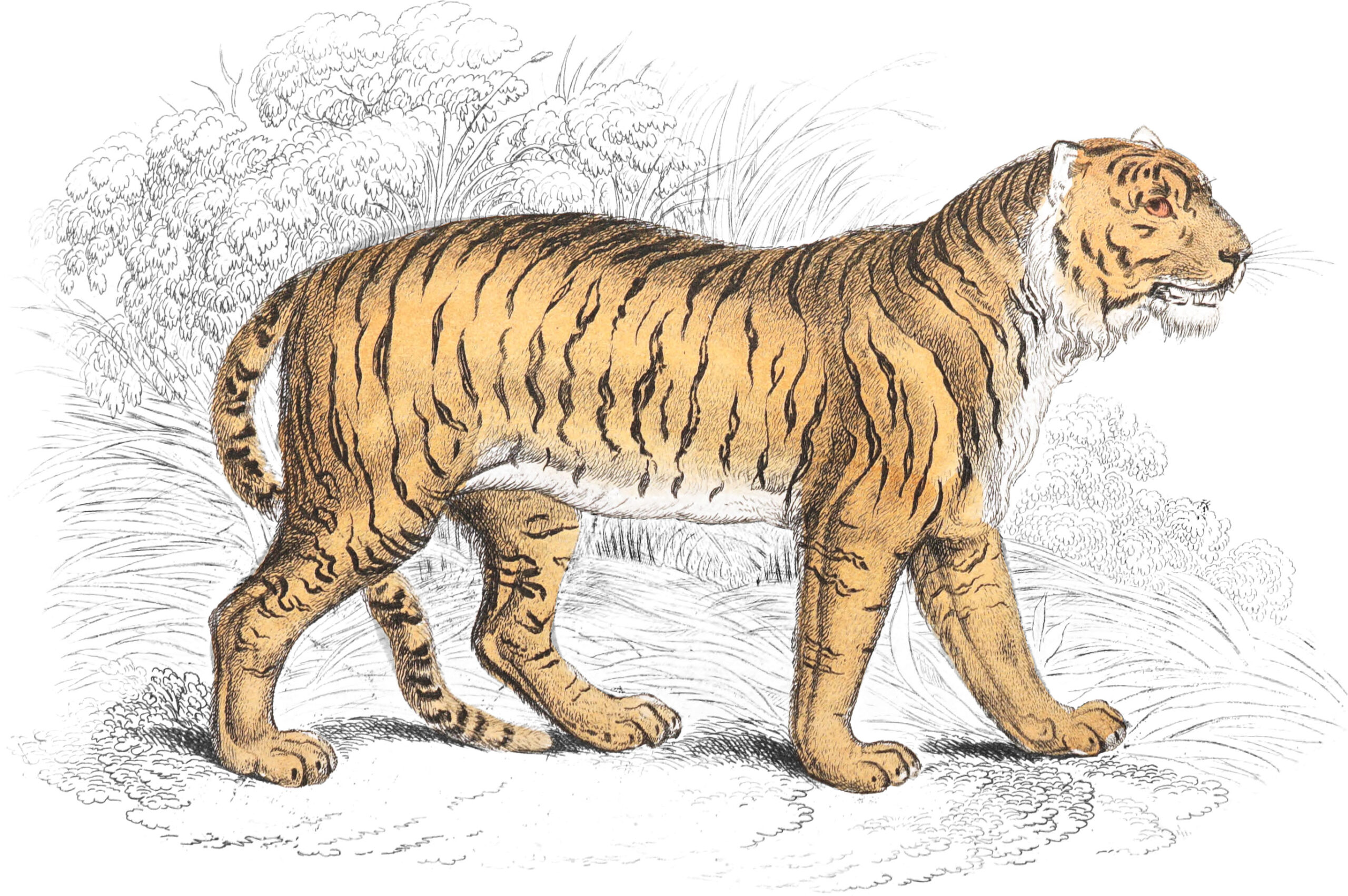
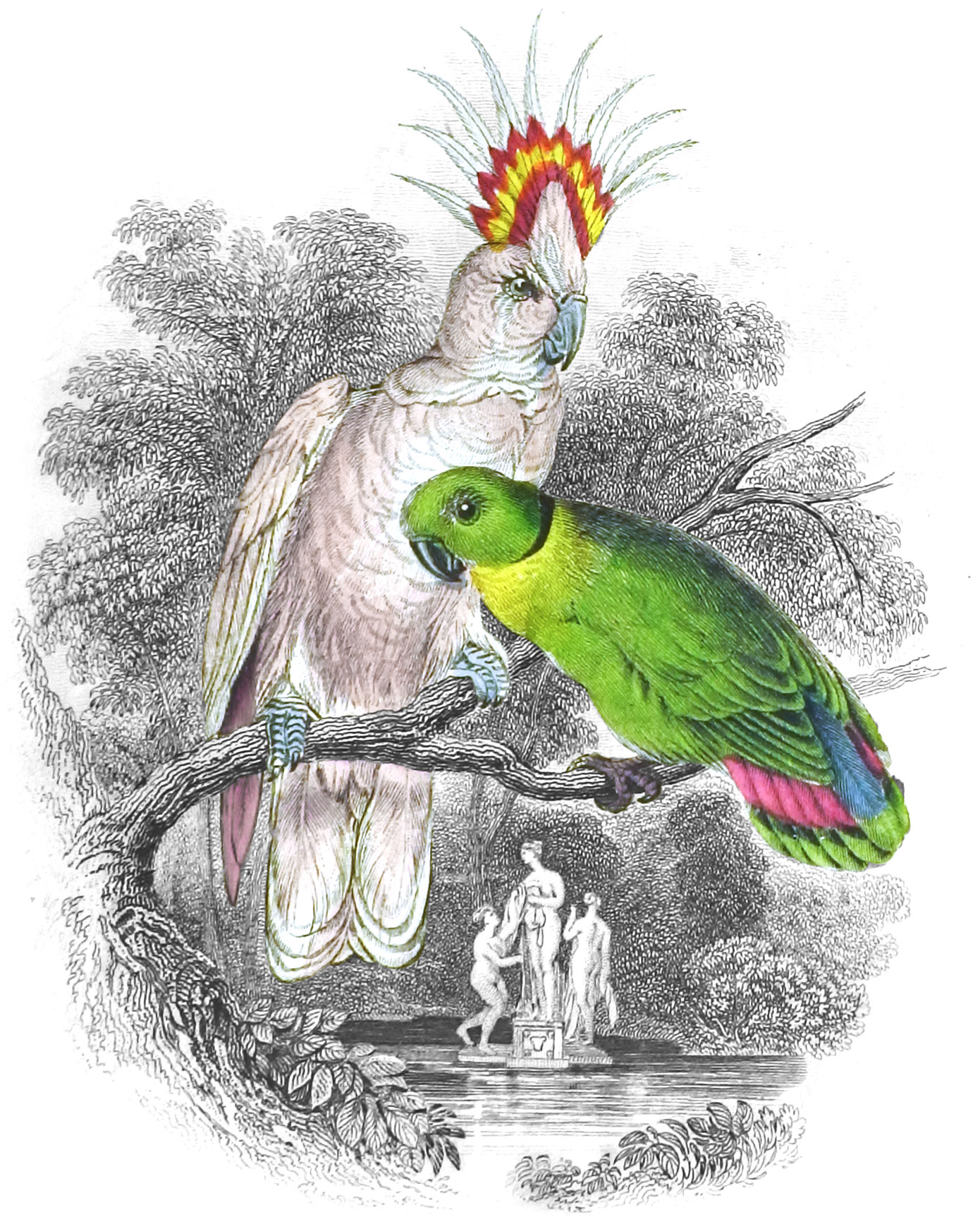
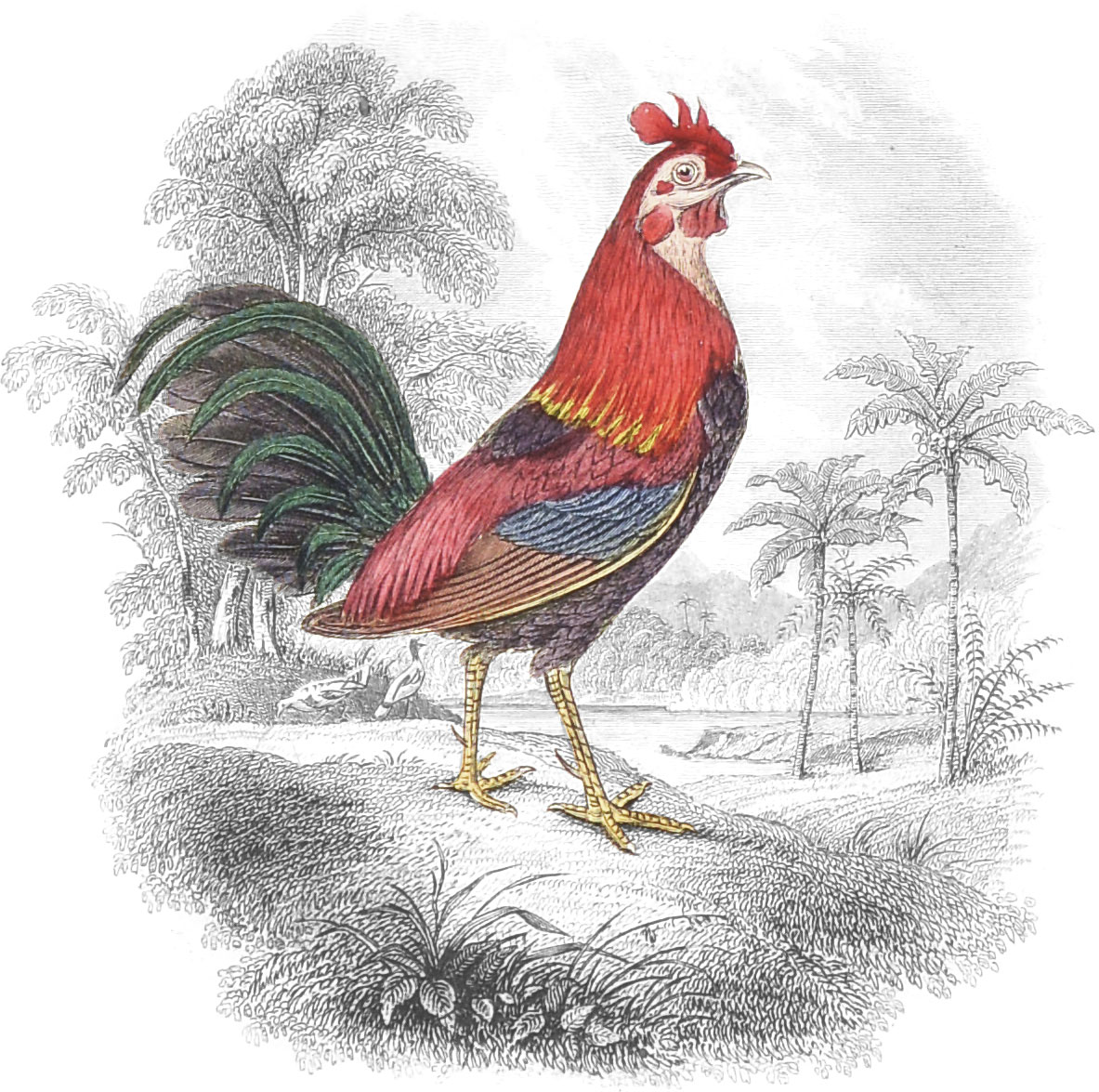
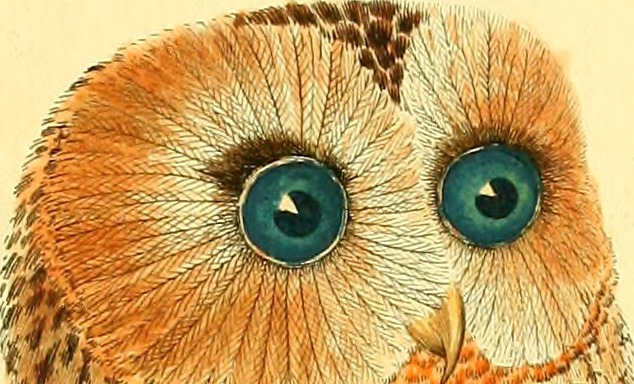
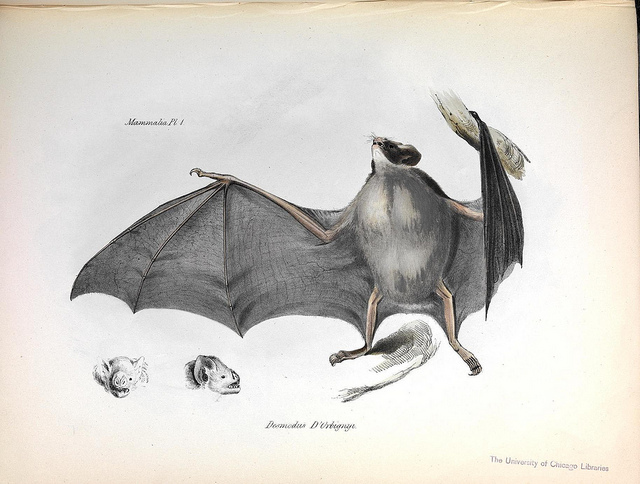
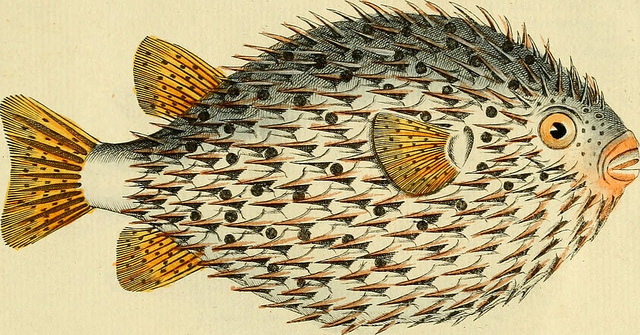
Explore 1,300+ Beautiful Wildlife Illustrations from the 19th Century, Now Restored and Available Online

Today, if you want to know about any of the flo­ra or fau­na that sur­round us, you have only to look it up online. After you get your fill of knowl­edge, you can decide whether or not you want to ven­ture out into the world and see your object of inter­est in its nat­ur­al envi­ron­ment (or a con­trolled sim­u­la­tion there­of). In the Vic­to­ri­an era, things worked a bit dif­fer­ent­ly. Ide­al­ly, you’d have grown up in a house­hold, or at least had access to an insti­tu­tion, with the com­plete set of The Nat­u­ral­ist’s Library, a series of more than 40 vol­umes on every­thing from the birds and the bees to the quadrupeds and the mar­su­pi­alia. Print­ed in a rel­a­tive­ly small for­mat and priced at six shillings each, they brought the intel­lec­tu­al fruits of the nat­u­ral­ist’s enter­prise clos­er to the reach of the every­man than ever before.

While these books offered a good deal of infor­ma­tive text, includ­ing mem­oirs from var­i­ous famous nat­u­ral­ists of the time, their imme­di­ate attrac­tion had more to do with their glo­ri­ous illus­tra­tions, in which col­ored exam­ples of each species popped right out of its black-and-white habi­tat. These more than 1,300 col­or plates, some of the finest that could be seen in any pub­li­ca­tion of sim­i­lar scale in the mid-nine­teenth cen­tu­ry, pre­sent­ed an attrac­tive project to the design­er Nicholas Rougeux, whose work we’ve pre­vi­ous­ly fea­tured here on Open Cul­ture.

Hav­ing already restored and cre­at­ed dig­i­tal ver­sions of Euclid­’s Ele­ments, Pierre-Joseph Red­outé’s Les Ros­es and Les Lil­i­acées, Eliz­a­beth Twin­ing’s Illus­tra­tions of the Nat­ur­al Orders of Plants, and Daniel Berke­ley Updike’s Print­ing Types, among oth­er books, he’s now put online a com­plete repro­duc­tion of the Nat­u­ral­ist’s Library — with, as usu­al, a blog post about the painstak­ing restora­tion and dig­i­tal re-cre­ation process.

This time, Rougeux has includ­ed a sec­tion about his use of arti­fi­cial intel­li­gence, which actu­al­ly did its part to bring The Nat­u­ral­ist’s Library to his atten­tion in the first place. Not only did AI tools then help him unearth need­ed sources and fill in visu­al gaps, they also came in handy when he was brain­storm­ing cov­er con­cepts for a print­ed ver­sion. Though Rougeux’s restora­tion is pri­mar­i­ly a web site, free to all to explore, you can also buy your own hand­some, large-for­mat phys­i­cal copy of Plates of the Nat­u­ral­ist’s Library for $295.11 USD.

Eas­i­er on the wal­let is the series of posters he’s made with the same illus­tra­tions, each of which presents one of these cat­e­gories of crea­tures great or small at a glance. The orig­i­nal Nat­u­ral­ist’s Library inspired gen­er­a­tions to ded­i­cate them­selves to under­stand­ing the nat­ur­al world; these new ver­sions, whether in print, online, or on the wall, will no doubt encour­age the enthu­si­asm of more than a few bud­ding nat­u­ral­ists in the gen­er­a­tions to come. Vis­it the repro­duc­tion of the Nat­u­ral­ist’s Library here.

Relat­ed Con­tent:

A Lav­ish­ly Illus­trat­ed Cat­a­log of All Hum­ming­bird Species Known in the 19th Cen­tu­ry Gets Restored & Put Online

Behold an Inter­ac­tive Online Edi­tion of Eliz­a­beth Twining’s Illus­tra­tions of the Nat­ur­al Orders of Plants (1868)

Ernst Haeckel’s Sub­lime Draw­ings of Flo­ra & Fau­na: The Beau­ti­ful Sci­en­tif­ic Draw­ings That Influ­enced Europe’s Art Nou­veau Move­ment (1889)

300,000 Won­drous Nature Illus­tra­tions Put Online by The Bio­di­ver­si­ty Her­itage Library

Explore a New Archive of 2,200 His­tor­i­cal Wildlife Illus­tra­tions (1916–1965): Cour­tesy of The Wildlife Con­ser­va­tion Soci­ety

Explore an Inter­ac­tive, Online Ver­sion of the Beau­ti­ful­ly Illus­trat­ed, 200-Year-Old British & Exot­ic Min­er­al­o­gy

Based in Seoul, Col­in Marshall writes and broad­casts on cities, lan­guage, and cul­ture. He’s the author of the newslet­ter Books on Cities as well as the books 한국 요약 금지 (No Sum­ma­riz­ing Korea) and Kore­an Newtro. Fol­low him on the social net­work for­mer­ly known as Twit­ter at @colinmarshall.

How Japan Invented Daisugi, the Ancient Method of Growing Lumber Without Cutting Down Trees

Ask any­one, of most any age and in most any soci­ety, how we get wood, and you’ll hear one answer: by cut­ting down trees. It’s there­fore nat­ur­al that any method of lum­ber pro­duc­tion that leaves trees stand­ing will get a lot of atten­tion. Such has been the case with daisu­gi, the 600-year-old Japan­ese tech­nique we’ve pre­vi­ous­ly fea­tured here on Open Cul­ture. The Leaf of Life video above explains just what it involves: “Spe­cial­ly plant­ed cedar trees are pruned heav­i­ly. Think of it as a giant bon­sai.” While these oper­a­tions take place bien­ni­al­ly, “har­vest­ing takes 20 years, and old tree stock grows up to 100 shoots at a time,” pro­duc­ing a stronger and more flex­i­ble wood to boot.

Such an unusu­al method of cul­ti­va­tion, you may imag­ine, must have arisen in unusu­al cir­cum­stances. As the video explains, daisu­gi was orig­i­nal­ly invent­ed in the west­ern Japan­ese region of Kitaya­ma, well south of the Osa­ka-Kyoto-Nara conur­ba­tion.

Work­ing under a short­age of seedlings and flat ter­rain, the arborists of Kitaya­ma devel­oped this method of forest­ing that made it pos­si­ble to “reduce the num­ber of plan­ta­tions, make the har­vest cycle faster, and pro­duce denser wood as well.” More than a lit­tle of the demand for it owed to the four­teenth-cen­tu­ry elite vogue for sukiya-zukuri, an ele­gant form of res­i­den­tial archi­tec­ture much expand­ed from the tra­di­tion­al Japan­ese tea house.

For a more nuts-and-bolts — or rather, trunks-and-branch­es — expla­na­tion of how daisu­gi is done, have a look at the video just above from Roji Gar­den­ing. You first need a sugi tree, also known as a Cryp­tome­ria japon­i­ca or Japan­ese red­wood, whose fast growth makes it all work. When it reach­es six or sev­en meters, which takes about as many years, “you do some­thing West­ern gar­den­ers would nev­er dream of”: cut the trunk at the height of half a meter, prune back the remain­ing branch­es, and cul­ti­vate the buds that appear on the remain­ing “plat­form seed­er.” Con­tin­ue reg­u­lar­ly prun­ing the series of “per­fect­ly ver­ti­cal” new trunks into which they grow, even­tu­al­ly remov­ing every­thing but the top 30 cen­time­ters on each. With­in a decade, you’ll end up with a good source of wood, if you need it, but also an “ever-chang­ing, inter­est­ing state­ment tree” — that, as a bonus, will also look like some­thing out of a Ghi­b­li movie.

If you would like to sup­port the mis­sion of Open Cul­ture, con­sid­er mak­ing a dona­tion to our site. It’s hard to rely 100% on ads, and your con­tri­bu­tions will help us con­tin­ue pro­vid­ing the best free cul­tur­al and edu­ca­tion­al mate­ri­als to learn­ers every­where. You can con­tribute through Pay­Pal, Patre­on, and Ven­mo (@openculture). Thanks!

If you would like to sup­port the mis­sion of Open Cul­ture, con­sid­er mak­ing a dona­tion to our site. It’s hard to rely 100% on ads, and your con­tri­bu­tions will help us con­tin­ue pro­vid­ing the best free cul­tur­al and edu­ca­tion­al mate­ri­als to learn­ers every­where. You can con­tribute through Pay­Pal, Patre­on, and Ven­mo (@openculture). Thanks!

Relat­ed Con­tent:

Daisu­gi, the 600-Year-Old Japan­ese Tech­nique of Grow­ing Trees Out of Oth­er Trees, Cre­at­ing Per­fect­ly Straight Lum­ber

The Art of Cre­at­ing a Bon­sai: One Year Con­densed Con­densed Into 22 Mes­mer­iz­ing Min­utes

The Biol­o­gy of Bon­sai Trees: The Sci­ence Behind the Tra­di­tion­al Japan­ese Art Form

What Makes the Art of Bon­sai So Expen­sive?: $1 Mil­lion for a Bon­sai Tree, and $32,000 for Bon­sai Scis­sors

A Dig­i­tal Ani­ma­tion Com­pares the Size of Trees: From the 3‑Inch Bon­sai, to the 300-Foot Sequoia

This 392-Year-Old Bon­sai Tree Sur­vived the Hiroshi­ma Atom­ic Blast & Still Flour­ish­es Today: The Pow­er of Resilience

Based in Seoul, Col­in Marshall writes and broad­casts on cities, lan­guage, and cul­ture. He’s the author of the newslet­ter Books on Cities as well as the books 한국 요약 금지 (No Sum­ma­riz­ing Korea) and Kore­an Newtro. Fol­low him on the social net­work for­mer­ly known as Twit­ter at @colinmarshall.

Enjoy Three Hours of Free Nature Videos Narrated by David Attenborough

For your week­end view­ing plea­sure, enjoy three hours of David Atten­bor­ough nar­rat­ing free nature videos from the BBC. Atten­bor­ough just turned 100 this month, and he’s still going strong!

via Kot­tke

If you would like to sup­port the mis­sion of Open Cul­ture, con­sid­er mak­ing a dona­tion to our site. It’s hard to rely 100% on ads, and your con­tri­bu­tions will help us con­tin­ue pro­vid­ing the best free cul­tur­al and edu­ca­tion­al mate­ri­als to learn­ers every­where. You can con­tribute through Pay­Pal, Patre­on, and Ven­mo (@openculture). Thanks!

Download 435 High Resolution Images from John J. Audubon’s The Birds of America

In our expe­ri­ence, bird lovers fall into two gen­er­al cat­e­gories:

Keen­ly obser­vant cat­a­loguers like John James Audubon …

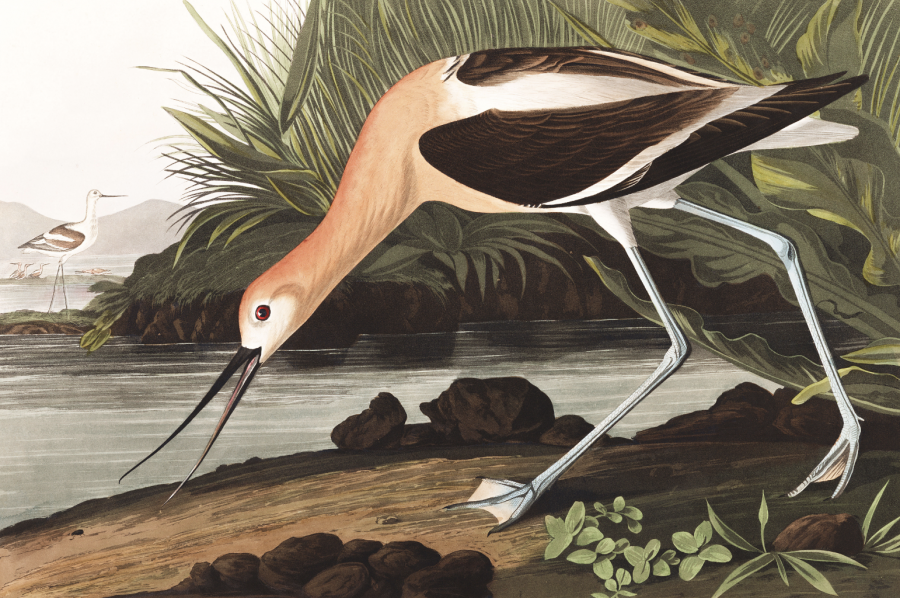
And those of us who can­not resist assign­ing anthro­po­mor­phic per­son­al­i­ties and behav­iors to the 435 stars of Audubon’s The Birds of Amer­i­ca, a stun­ning col­lec­tion of prints from life-size water­col­ors he pro­duced between 1827 and 1838.

Our sus­pi­cions have lit­tle to do with biol­o­gy, but rather, a cer­tain zesti­ness of expres­sion, an overem­phat­ic beak, a droll gleam in the eye.

The Audubon Society’s new­ly redesigned web­site abounds with trea­sure for those in either camp:

Free high res down­loads of all 435 plates.

Mp3s of each specimen’s call.

And vin­tage com­men­tary that effec­tive­ly splits the dif­fer­ence between sci­ence and the unin­ten­tion­al­ly humor­ous locu­tions of anoth­er age.

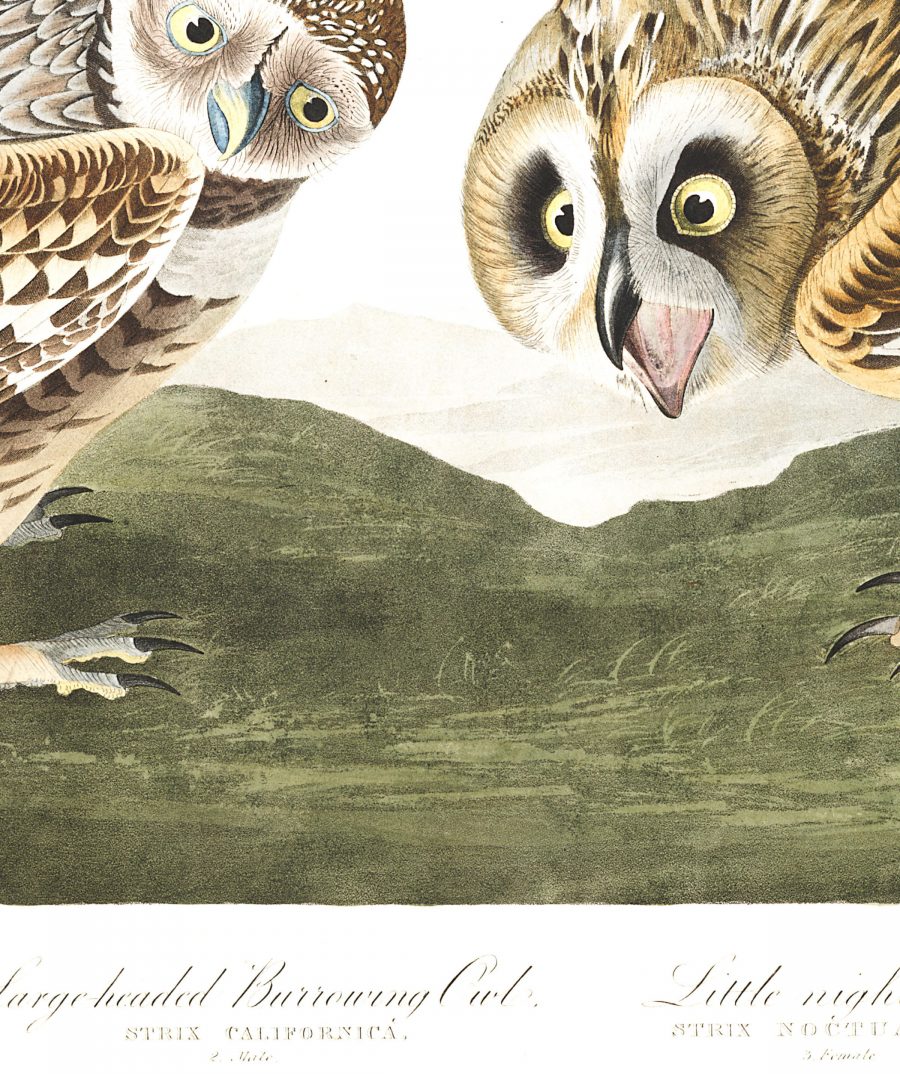
Take for instance, the Bur­row­ing Owl, as described by self-taught nat­u­ral­ist Thomas Say (1787–1834):

It is delight­ful, dur­ing fine weath­er, to see these live­ly lit­tle crea­tures sport­ing about the entrance of their bur­rows, which are always kept in the neat­est repair, and are often inhab­it­ed by sev­er­al indi­vid­u­als. When alarmed, they imme­di­ate­ly take refuge in their sub­ter­ranean cham­bers; or, if the dread­ed dan­ger be not imme­di­ate­ly impend­ing, they stand near the brink of the entrance, brave­ly bark­ing and flour­ish­ing their tails, or else sit erect to recon­noitre the move­ments of the ene­my.

The notes of ornithol­o­gist John Kirk Townsend (1809 – 1851) sug­gest that not every­one was as tak­en with the species as Say (who was, in all fair­ness, the father of Amer­i­can ento­mol­o­gy):

Noth­ing can be more unpleas­ant than the bag­ging of this species, on account of the fleas with which their plumage swarms, and which in all prob­a­bil­i­ty have been left in the bur­row by the Bad­ger or Mar­mot, at the time it was aban­doned by these ani­mals. I know of no oth­er bird infest­ed by that kind of ver­min. 

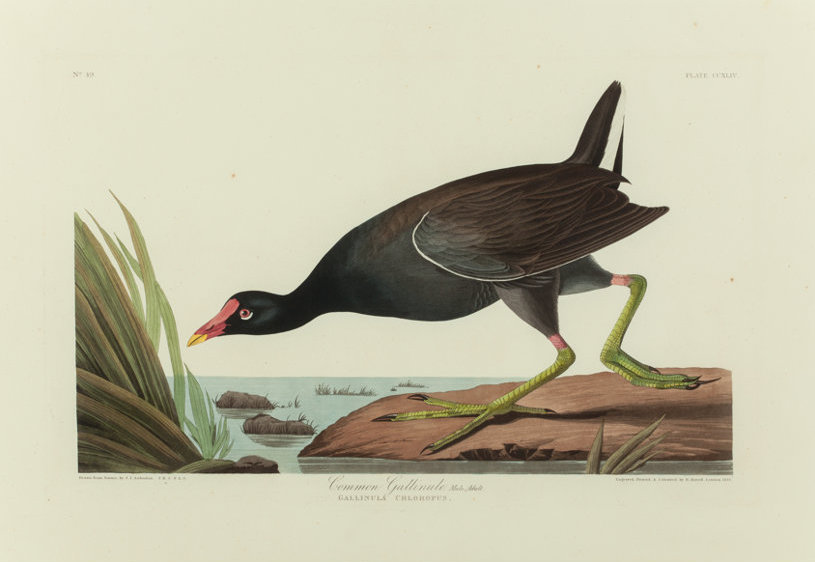
The Com­mon Gallinule, above, sug­gests that there’s often more to these birds than meets the eye. His some­what sheep­ish look­ing coun­te­nance belies the red hot love life Audubon recounts:

… the man­i­fes­ta­tions of their ama­to­ry propen­si­ty were quite remark­able. The male birds court­ed the females, both on the land and on the water; they fre­quent­ly spread out their tail like a fan, and moved round each oth­er, emit­ting a mur­mur­ing sound for some sec­onds. The female would after­wards walk to the water’s edge, stand in the water up to her breast, and receive the caress­es of the male, who imme­di­ate­ly after would strut on the water before her, jerk­ing with rapid­i­ty his spread tail for awhile, after which they would both resume their ordi­nary occu­pa­tions.

Being that we are firm­ly plant­ed in the sec­ond type of bird lover’s camp, this ornitho­log­i­cal cor­nu­copia main­ly serves to whet our appetite for more Falseknees, self-described bird nerd Joshua Barkman’s beau­ti­ful­ly ren­dered web­com­ic.

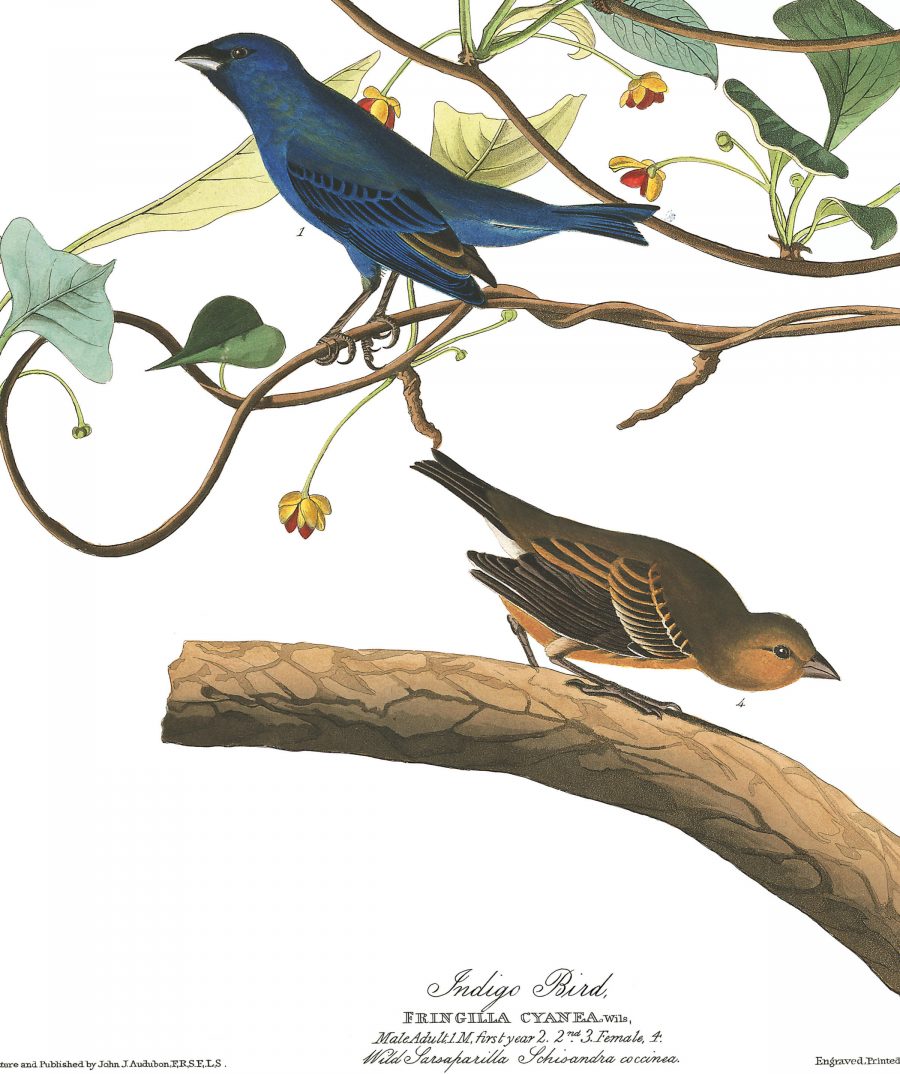
Yes, Audubon’s Indi­go Birdaka Petit Pape­bleu, “an active and live­ly lit­tle fel­low” who “pos­sess­es much ele­gance in his shape, and also a cer­tain degree of firm­ness in his make” was sep­a­rat­ed by a cen­tu­ry or so from “Mood Indi­go”—we pre­sume that’s the tune stuck in Barkman’s bird’s head—but he does look rather pre­oc­cu­pied, no?

Pos­si­bly just think­ing of meal­worms…

Explore Audubon’s Birds of Amer­i­ca by chrono­log­i­cal or alpha­bet­i­cal order, or by state, and down­load them all for free here.

Note: An ear­li­er ver­sion of this post appeared on our site in 2019.

Relat­ed Con­tent:

Cor­nell Launch­es Archive of 150,000 Bird Calls and Ani­mal Sounds, with Record­ings Going Back to 1929

A Lav­ish­ly Illus­trat­ed Cat­a­log of All Hum­ming­bird Species Known in the 19th Cen­tu­ry Gets Restored & Put Online

What Kind of Bird Is That?: A Free App From Cor­nell Will Give You the Answer

Explore an Inter­ac­tive Ver­sion of The Wall of Birds, a 2,500 Square-Foot Mur­al That Doc­u­ments the Evo­lu­tion of Birds Over 375 Mil­lion Years

The Bird Library: A Library Built Espe­cial­ly for Our Fine Feath­ered Friends

Ayun Hal­l­i­day is an author, illus­tra­tor, and the­ater mak­er in NYC.

by | Permalink | Make a Comment ( 1 ) |

300,000 Wondrous Nature Illustrations Put Online by The Biodiversity Heritage Library

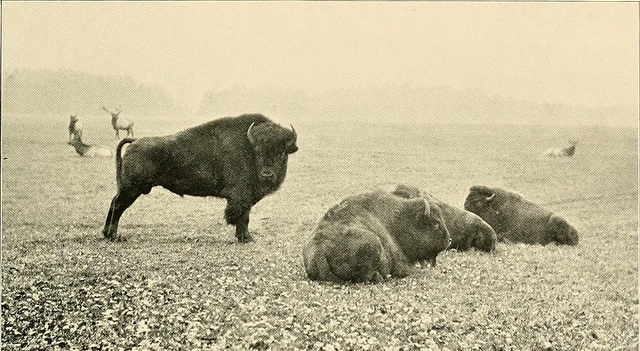
Are we tru­ly in the midst of a human-caused sixth mass extinc­tion, an era of “bio­log­i­cal anni­hi­la­tion”? Many sci­en­tists and pop­u­lar sci­ence writ­ers say yes, using terms like “Holocene” or “Anthro­pocene” to describe what fol­lows the Ordovi­cian, Devon­ian, Per­mi­an, Tri­as­sic, and Cre­ta­ceous peri­ods. Peter Bran­nen, the author of extinc­tion his­to­ry The Ends of the Earth has found at least one sci­en­tist who thinks the con­cept is “junk.” But Bran­nen quotes some alarm­ing sta­tis­tics. Chill­ing, even. “Until very recent­ly,” he writes, “all ver­te­brate life on the plan­et was wildlife. But astound­ing­ly, today wildlife accounts for only 3 per­cent of Earth’s land ani­mals; human beings, our live­stock, and our pets take up the remain­ing 97 per­cent of the bio­mass… almost half of the Earth’s land has been con­vert­ed into farm­land.”

This state of affairs does not bode well for the mil­lions of remain­ing species get­ting edged out of their envi­ron­ments by agribusi­ness and cli­mate change. We learn from extinc­tions past that the plan­et rebounds after unimag­in­able cat­a­stro­phe. Life real­ly does go on, though it may take mil­lions of years to recov­er. But the cur­rent forms of life may dis­ap­pear before their time. If we want to under­stand what is at stake besides our own frag­ile fos­sil-fuel-based civ­i­liza­tions, we need to con­nect to life emo­tion­al­ly as well as intel­lec­tu­al­ly. Short of globe-hop­ping phys­i­cal immer­sion in the Earth’s bio­di­ver­si­ty, we could hard­ly do bet­ter than immers­ing our­selves in the tra­di­tion of nat­u­ral­ist writ­ing, art, and pho­tog­ra­phy that brings the world to us.

The Bio­di­ver­si­ty Her­itage Library (BHL), an “open access dig­i­tal library for bio­di­ver­si­ty lit­er­a­ture and archives,” has for many years been mak­ing it easy for peo­ple to con­nect to nature through nature writ­ing and illus­tra­tion. On Flickr, you can find 319,000 care­ful­ly curat­ed images. The col­lec­tion itself is sub­di­vid­ed into dif­fer­ent pho­to albums drawn from his­tor­i­cal pub­li­ca­tions. For exam­ple, The Fresh­wa­ter Fish­es of the British Isles (1911), The Bird (1869), and The Insect Book (1901).

This image archive offers expan­sive views of human­i­ty’s encounter with the nat­ur­al world, not only through sta­tis­tics and aca­d­e­m­ic jar­gon, but through the artis­tic record­ing of won­der, sci­en­tif­ic curios­i­ty, and deep appre­ci­a­tion. Enter the archive here.

Note: An ear­li­er ver­sion of this post appeared on our site in 2017.

Relat­ed Con­tent:

Ernst Haeckel’s Sub­lime Draw­ings of Flo­ra & Fau­na: The Beau­ti­ful Sci­en­tif­ic Draw­ings That Influ­enced Europe’s Art Nou­veau Move­ment (1889)

Explore a New Archive of 2,200 His­tor­i­cal Wildlife Illus­tra­tions (1916–1965): Cour­tesy of The Wildlife Con­ser­va­tion Soci­ety

In 1886, the US Gov­ern­ment Com­mis­sioned 7,500 Water­col­or Paint­ings of Every Known Fruit in the World: Down­load Them in High Res­o­lu­tion

Watch 50 Hours of Nature Sound­scapes from the BBC: Sci­en­tif­i­cal­ly Proven to Ease Stress and

The Metic­u­lous, Ele­gant Illus­tra­tions of the Nature Observed in England’s Coun­try­side

Josh Jones is a writer and musi­cian based in Durham, NC. 

by | Permalink | Make a Comment ( 1 ) |

When Two Filmmakers Make the Same Movie — and One of Them Is Werner Herzog

In 1991, the French hus­band-and-wife vol­ca­nol­o­gist-film­mak­er team Mau­rice and Katia Krafft were killed by the flow of ash from the erup­tion of Mount Unzen in Nagasa­ki. Inex­plic­a­bly, Wern­er Her­zog did­n’t get around to mak­ing a film about them for more than 30 years. These would seem to be ide­al sub­jects for the doc­u­men­tary half of his career, a large por­tion of which he’s spent on por­traits of eccen­tric, roman­tic, often fool­hardy, and more than occa­sion­al­ly ill-fat­ed indi­vid­u­als who pit them­selves, or in any case find them­selves pit­ted, against the raw ele­ments of nature. Their cou­ple­hood makes the Kraffts a slight excep­tion in that line­up, but it also makes them even less resistible to a more con­ven­tion­al doc­u­men­tar­i­an — not that a doc­u­men­tar­i­an could get much less con­ven­tion­al than Her­zog.

Hence, per­haps, the appear­ance of two entire­ly sep­a­rate doc­u­men­taries on the Kraffts in the same year, 2022: Her­zog’s The Fire With­in, and Sara Dosa’s Fire of Love. The Like Sto­ries of Old video above per­forms a direct com­par­i­son of the two films, both of which make heavy use of the vol­cano footage shot by the Kraffts them­selves.

Her­zog assem­bles it into word­less, oper­at­i­cal­ly scored, and some­times quite long sequences, inten­si­fy­ing their qual­i­ty of the sub­lime, which we feel in that aes­thet­ic zone where awe of beau­ty and fear of exis­ten­tial anni­hi­la­tion over­lap com­plete­ly. These do noth­ing to advance a nar­ra­tive, but every­thing to put forth what Her­zog has often referred to in inter­views as a sense of “ecsta­t­ic truth,” a dis­til­la­tion of real­i­ty that can­not be cap­tured by any con­ven­tion­al doc­u­men­tary means.

The video’s host Tom van der Lin­den describes Fire of Love as “much more fast-paced. Images come and go so quick­ly that they don’t real­ly have a chance to reveal that strange, secret beau­ty, to take the spot­light with their own mys­te­ri­ous star­dom. Instead, they feel sub­servient to what­ev­er pre­de­ter­mined emo­tion the nar­ra­tive wants you to expe­ri­ence,” as if the direc­tor is giv­ing you orders: “Be in awe. Feel the romance. And now the com­e­dy.” That hard­ly sug­gests incom­pe­tence on the part of Dosa and her col­lab­o­ra­tors, or any defi­cien­cy in her high­ly acclaimed film. But it does give us a sense of what becomes weary­ing about the tech­niques of main­stream cin­e­ma in gen­er­al, fic­tion­al, or non­fic­tion­al. The truth is that Wern­er Her­zog may be unique­ly well placed to appre­ci­ate not just the fear­some­ly enrap­tur­ing object of the Kraffts’ obses­sion, but also the dri­ving pas­sion, and flash­es of ridicu­lous­ness, in the Kraffts them­selves — who were, after all, fel­low sol­diers of cin­e­ma.

Relat­ed Con­tent:

The Dream-Dri­ven Film­mak­ing of Wern­er Her­zog: Watch the Video Essay, “The Inner Chron­i­cle of What We Are: Under­stand­ing Wern­er Her­zog”

An Intro­duc­tion to the Paint­ing of Cas­par David Friedrich, Roman­ti­cism & the Sub­lime

Watch the Destruc­tion of Pom­peii by Mount Vesu­vius, Re-Cre­at­ed with Com­put­er Ani­ma­tion (79 AD)

Under­wa­ter Vol­canic Erup­tion Wit­nessed for the First Time

Two Ways To Shoot The Same Scene: A Com­par­i­son of The Shop Around the Cor­ner (1940) and You’ve Got Mail (1998) Shows How Film­mak­ing Changed Over the Decades

Wern­er Her­zog Dis­cov­ers the Ecsta­sy of Skate­board­ing: “That’s Kind of My Peo­ple”

Based in Seoul, Col­in Marshall writes and broad­casts on cities, lan­guage, and cul­ture. He’s the author of the newslet­ter Books on Cities as well as the books 한국 요약 금지 (No Sum­ma­riz­ing Korea) and Kore­an Newtro. Fol­low him on the social net­work for­mer­ly known as Twit­ter at @colinmarshall.

Discover the Oldest, Weirdest Instrument On Earth: The Lithophone

Sta­lac­tites hang tight to the ceil­ing, and sta­lag­mites push up with might from the floor: this is a mnemon­ic device you may once have learned, but chances are you haven’t had much occa­sion to remem­ber it since. Still, it would sure­ly be called to mind by a vis­it to Luray Cav­erns in the Amer­i­can state of Vir­ginia, home of the Great Sta­lacpipe Organ. As its name sug­gests, that attrac­tion is an organ made out of sta­lac­tites, the geo­log­i­cal for­ma­tions that grow from cave ceil­ings. Not long after the dis­cov­ery of Luray Cav­erns itself in 1878, its sta­lac­tites were found to res­onate through the under­ground space in an almost musi­cal fash­ion when struck — a prop­er­ty Leland W. Sprin­kle took to its log­i­cal con­clu­sion in the mid-nine­teen fifties.

“Dur­ing a tour of this world-famous nat­ur­al won­der, Mr. Sprin­kle watched in awe, which was still cus­tom­ary at the time, as a tour guide tapped the ancient stone for­ma­tions with a small mal­let, pro­duc­ing a musi­cal tone,” says Luray Cav­erns’ offi­cial site. “Mr. Sprin­kle was great­ly inspired by this demon­stra­tion and the idea for a most unique instru­ment was con­ceived.”

Con­cep­tion was one thing, but exe­cu­tion quite anoth­er: it took him three years to locate just the right sta­lac­tites, shave them down to ring out at just the right fre­quen­cy, and rig them up with elec­tron­i­cal­ly acti­vat­ed, key­board-con­trolled mal­lets. For the tech­ni­cal­ly mind­ed Sprin­kle, who worked at the Pen­ta­gon as a math­e­mati­cian and elec­tron­ics sci­en­tist, this must not have been quite as tedious a labor as it sounds.

The result was the biggest, the old­est (at least accord­ing to the age of the cave itself), and arguably the weird­est musi­cal instru­ment on Earth, a litho­phone for the mid-twen­ti­eth cen­tu­ry’s hero­ic age of engi­neer­ing. You can see the Great Sta­lacpipe Organ in the video from Ver­i­ta­si­um at the top of the post, and hear a record­ing of Sprin­kle him­self play­ing it below that. In the video just above, YouTu­ber and musi­cian Rob Scal­lon gets a chance to take it for a spin. View­ers of his chan­nel know how much expe­ri­ence he has with exot­ic instru­ments (includ­ing the glass armon­i­ca, orig­i­nal­ly invent­ed by Ben Franklin, which we’ve fea­tured here on Open Cul­ture), but even so, the oppor­tu­ni­ty to play a cave — and to make use of its sur­round sound avant la let­tre — hard­ly comes every day. Here we have proof that the old, weird Amer­i­ca endures, and that the Great Sta­lacpipe Organ is its ide­al sound­track.

Relat­ed Con­tent:

Watch an Archae­ol­o­gist Play the “Litho­phone,” a Pre­his­toric Instru­ment That Let Ancient Musi­cians Play Real Clas­sic Rock

Nick Cave Nar­rates an Ani­mat­ed Film about the Cat Piano, the Twist­ed 18th Cen­tu­ry Musi­cal Instru­ment Designed to Treat Men­tal Ill­ness

Based in Seoul, Col­in Marshall writes and broad­casts on cities, lan­guage, and cul­ture. His projects include the Sub­stack newslet­ter Books on Cities and the book The State­less City: a Walk through 21st-Cen­tu­ry Los Ange­les. Fol­low him on the social net­work for­mer­ly known as Twit­ter at @colinmarshall.

More in this category... »
Quantcast